

Social Media in Islam: Halal Influence or Modern Fitnah? An Islamic Perspective on Social Media and Influencer Culture
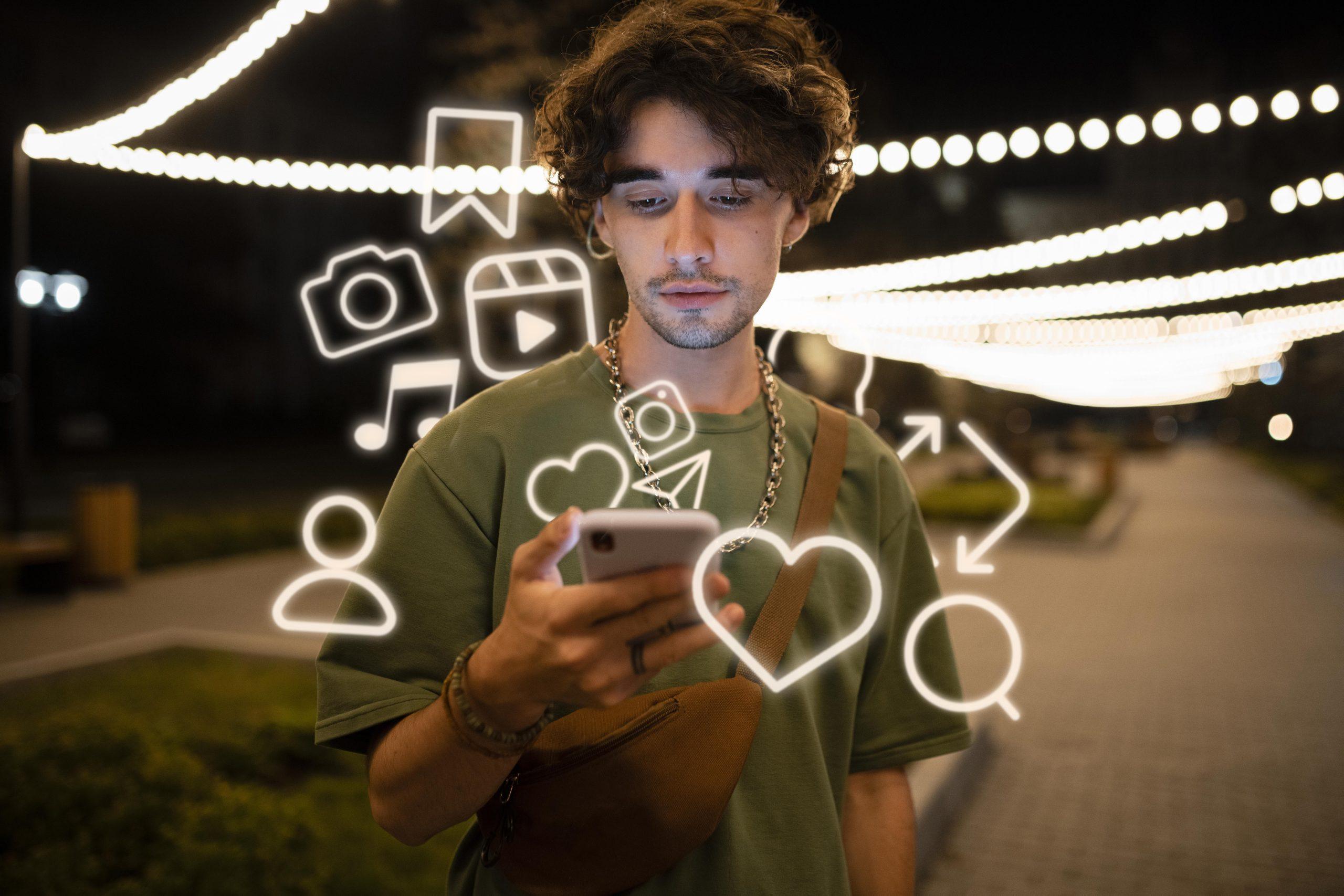
Social media has completely transformed modern society. Platforms like Instagram, TikTok, Facebook, Snapchat, YouTube, and X have changed the way people communicate, learn, build relationships, earn money, and spend their time. For many people today, social media is no longer just entertainment; it has become part of daily life itself.
Entire careers are now built around online influence. Influencers, vloggers, streamers, and content creators have become modern celebrities with millions of followers shaping opinions, lifestyles, fashion, beauty standards, political views, and even religious understanding.
But this raises an important question for Muslims: what is the Islamic perspective on social media and influencer culture? Is social media a useful tool that can be used for good, or has it become one of the greatest fitnahs of modern times?
The answer is not simple because social media itself is not automatically halal or haram. Like many tools, its ruling depends on how it is used. A knife can be used to prepare food or harm someone. Similarly, social media can be used for beneficial purposes or for spreading corruption, vanity, immorality, and distraction from Allah.
Islam does not oppose technology or progress. In fact, Islam encourages spreading beneficial knowledge, communication, business, and helping others. Social media has allowed Islamic scholars, teachers, and da’wah platforms to reach millions of people across the world. Today, someone sitting in a small village can listen to Qur’an recitation, Islamic lectures, or educational content from scholars worldwide within seconds.
Many people have become closer to Islam through social media reminders, online Qur’an classes, Islamic podcasts, and beneficial content creators. During times of crisis, social media has also helped spread awareness about humanitarian suffering and oppression across the world.
However, despite these benefits, social media has also created spiritual, moral, psychological, and social problems on a massive scale. In many ways, it has become one of the greatest tests facing Muslims today.
One of the biggest dangers of social media is addiction and distraction. People spend countless hours scrolling endlessly through videos, reels, memes, gossip, celebrity drama, and entertainment without realizing how much time is being wasted. Hours disappear daily on content that brings no real benefit to dunya or akhirah.
Many people wake up and immediately check notifications before remembering Allah. Some spend more time on TikTok or Instagram than they spend reading Qur’an or praying with concentration. Social media addiction has damaged attention spans, productivity, sleep, mental peace, and spiritual focus.
Islam places great value on time. Time is one of the greatest blessings from Allah, yet many people waste it carelessly in endless digital entertainment. On the Day of Judgment, people will be questioned about how they spent their lives and time.
The Prophet ﷺ said: “There are two blessings which many people waste: health and free time.” (Sahih Bukhari)
Social media companies are specifically designed to keep people addicted. Endless scrolling, short videos, notifications, likes, and algorithm-based content are all created to maximize screen time. As a result, many Muslims today struggle to focus in Salah, maintain concentration in studies, or even sit quietly without constantly checking their phones.
Another major issue is riya, which means showing off or seeking praise from people instead of seeking Allah’s pleasure. Social media has created a culture where many people constantly seek validation through likes, comments, followers, and attention.
People now display:
- Wealth
- Luxury lifestyles
- Expensive vacations
- Branded clothing
- Personal relationships
- Charity acts
- Worship moments
- Daily routines
Not everything shared online is necessarily haram, but social media often turns life into a performance for public approval. People begin measuring their value through followers and engagement rather than character and closeness to Allah.
Islam teaches sincerity in actions. Good deeds should primarily be for Allah, not for online praise. Even acts of charity, worship, and modesty can become spiritually dangerous if they are performed mainly for attention.
The Prophet ﷺ warned that riya is among the hidden diseases of the heart. Social media has made this disease easier than ever before because modern culture constantly encourages self-promotion and public validation.
Influencer culture has intensified this problem even further. Today, influencers shape trends, beauty standards, and social values more than teachers, parents, or scholars in many cases. Young people especially grow up comparing themselves to carefully edited online lifestyles.
Social media often presents fake perfection:
- Perfect bodies
- Perfect marriages
- Perfect homes
- Luxury lifestyles
- Constant happiness
- Endless beauty
In reality, much of this content is filtered, staged, edited, or exaggerated for engagement and profit. Yet viewers compare their real lives to these unrealistic online images, leading to insecurity, jealousy, depression, and dissatisfaction.
Islam teaches contentment, gratitude, and humility. Constant comparison destroys inner peace. The Prophet ﷺ advised believers to look at those below them rather than constantly looking at those with more wealth and luxury.
Another serious concern is modesty and haya. Islam places great importance on modesty in behavior, speech, appearance, and interaction. However, modern influencer culture often rewards immodesty, attention-seeking behavior, and public exposure.
Many social media trends encourage:
- Sexualized content
- Immodest dressing
- Vanity
- Public flirting
- Inappropriate dancing
- Obsession with appearance
Even among Muslims, social media pressure sometimes leads people to slowly compromise Islamic values for popularity and acceptance. Some justify inappropriate content by saying “everyone does it” or “it’s necessary for growth online.”
Islam teaches that haya is part of faith.
The Prophet ﷺ said: “Modesty is part of faith.” (Sahih Bukhari)
Unfortunately, modern influencer culture often treats modesty as weakness while promoting shamelessness as confidence and empowerment.
Social media has also normalized constant exposure to haram content. Through algorithms, people are repeatedly exposed to music, inappropriate images, gossip, backbiting, vulgar language, and immoral entertainment. Even people who initially use social media for innocent purposes may gradually become desensitized to sinful content because of repeated exposure.
One of the greatest dangers is how sins become normalized online. Actions once considered shameful are now celebrated publicly for views and engagement. Many influencers openly promote lifestyles that contradict Islamic teachings while millions of followers imitate them without questioning whether those lifestyles please Allah.
Backbiting and public humiliation have also become widespread online. People insult others, spread rumors, expose private matters, and engage in toxic arguments daily. Islam strongly condemns backbiting and harming others with speech.
Allah compares backbiting in the Qur’an to eating the flesh of one’s dead brother, showing how severe the sin is.
Mental health is another growing issue connected to social media culture. Studies worldwide have linked excessive social media use with anxiety, loneliness, depression, low self-esteem, and emotional exhaustion. Constant comparison with influencers and celebrities makes ordinary people feel inadequate and unsuccessful.
Influencer culture also promotes materialism and consumerism. Many influencers constantly encourage followers to buy expensive products, luxury brands, beauty treatments, gadgets, and lifestyles they may not even need. This creates a culture where self-worth becomes connected to appearance, possessions, and online image.
Islam teaches simplicity, humility, and balance. A Muslim should not become obsessed with dunya while neglecting akhirah.
However, this does not mean all influencers are harmful or that earning through social media is automatically haram. Social media can absolutely be used in halal and beneficial ways.
Many Muslims earn halal income online through:
- Educational content
- Islamic reminders
- Business promotion
- Skill teaching
- Freelancing
- Beneficial entertainment
- Health and educational awareness
A Muslim content creator can use social media positively while maintaining Islamic boundaries. In fact, there is a great need today for ethical Muslim influencers who promote beneficial values instead of corruption.
But intentions and methods matter greatly. A Muslim influencer should ask:
- Does my content bring people closer to Allah or farther away?
- Am I promoting modesty or vanity?
- Am I seeking benefit or only fame?
- Would I be comfortable showing this content on the Day of Judgment?
Islam does not require Muslims to abandon technology completely. Instead, Islam teaches self-control and accountability. Muslims should use technology without allowing technology to control them.
Practical steps for healthy social media use include:
- Limiting screen time
- Avoiding inappropriate accounts
- Following beneficial content
- Protecting modesty
- Avoiding toxic online arguments
- Prioritizing Salah and Qur’an over entertainment
- Regularly detoxing from excessive social media use
Parents today also face major challenges raising children in the age of influencers and digital addiction. Children are now exposed to harmful ideas, unrealistic beauty standards, inappropriate content, and materialistic lifestyles from very young ages. Muslim families must therefore actively guide children regarding Islamic values online.
One of the biggest tragedies of modern social media culture is that many people know everything happening online but know very little about their own religion. People memorize celebrity gossip, trends, and influencer scandals while neglecting Qur’an, Hadith, and Islamic knowledge.
The digital world constantly competes for human attention. Every notification, reel, and trend pulls people deeper into distraction. In such an environment, protecting one’s iman requires conscious effort and discipline.
Social media itself is not the enemy. The real issue is how people allow it to shape their hearts, priorities, values, and relationship with Allah.
A Muslim should constantly ask:
Does this platform bring me closer to Allah or distract me from Him?
Because true success is not measured by followers, views, fame, or online popularity. True success is standing before Allah with a heart that remained sincere, modest, and connected to Him despite living in a world full of distractions and fitnah.
Copyright 2023, All Rights Reserved
Leave Your Comments