

Salah: A Lifeline We Keep Postponing
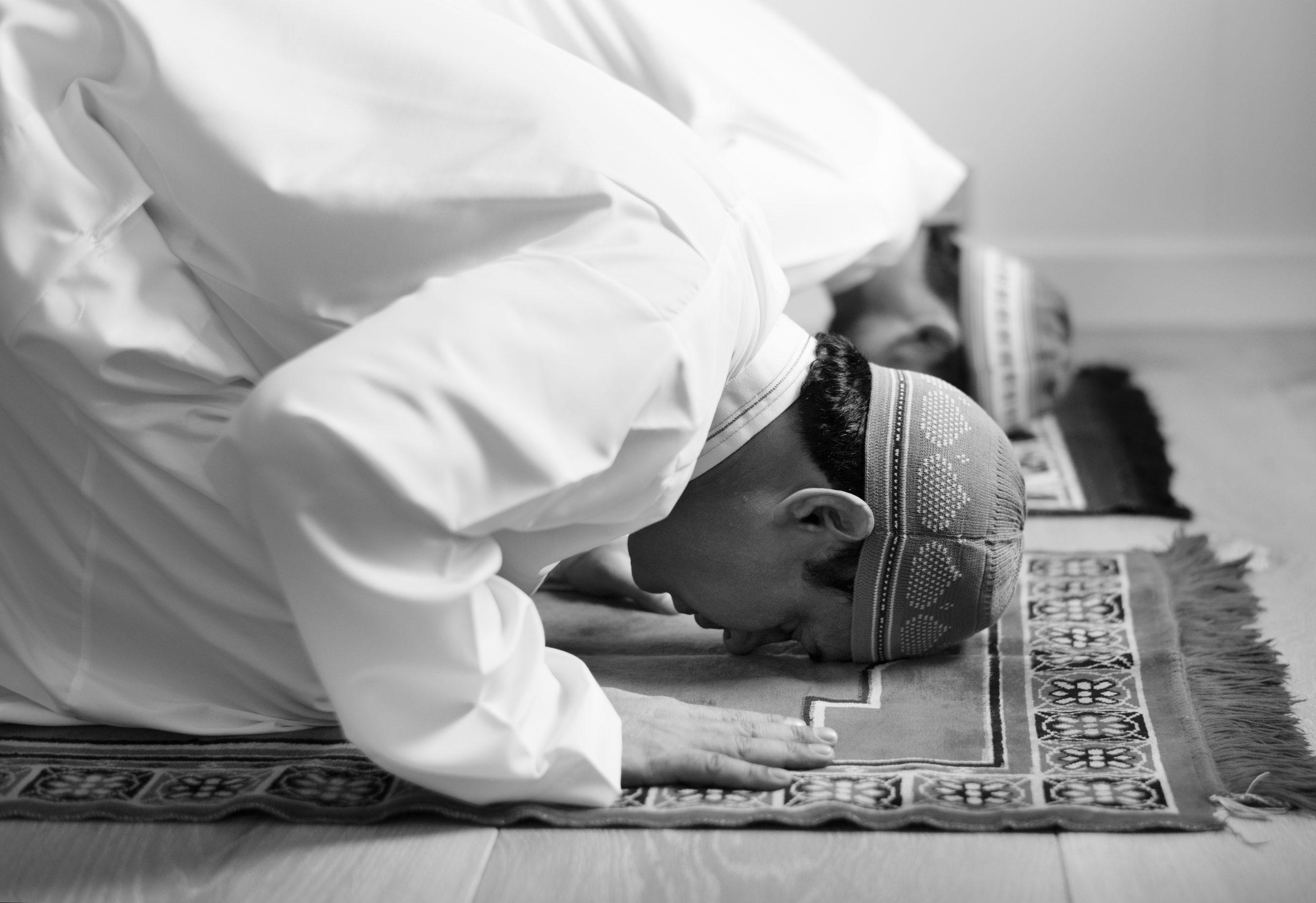
Salah (prayer) is the most important act of worship after ایمان (faith) in Islam. It is not just a ritual movement of standing, bowing, and prostrating, but a direct connection between a servant and Allah. Through Salah, a believer speaks to his Creator, seeks guidance, asks forgiveness, and strengthens his relationship with Him. Allah has made Salah compulsory at fixed times in the Qur’an, showing that it is not something flexible or optional. Allah says: “Indeed, prayer has been decreed upon the believers at specified times.” (Surah An-Nisa 4:103). This verse clearly establishes that Salah must be performed within its designated time and not delayed without a valid reason.
Salah is also the first deed that will be questioned on the Day of Judgment. The Prophet Muhammad ﷺ said: “The first matter that the slave will be brought to account for on the Day of Judgment is the prayer.” (Sunan Abi Dawood). This Hadith alone shows how central Salah is in determining a believer’s success in the Hereafter. If Salah is accepted, other deeds become easier; if it is rejected, it becomes a sign of spiritual failure. Salah is also a means of purification and protection from sins. Allah says: “Indeed, prayer prohibits immorality and wrongdoing.” (Surah Al-Ankabut 29:45). A person who prays properly and regularly develops self-control, avoids sins, and builds a strong moral character.
Salah as a Source of Peace, Discipline, and Spiritual Strength
One of the greatest benefits of Salah is inner peace. In a world full of stress, anxiety, and distractions, Salah gives a believer a moment of complete connection with Allah. It resets the heart five times a day and reminds a person of his true purpose. It also teaches discipline because it forces a person to organize his day around prayer timings. Unlike voluntary habits, Salah demands consistency regardless of mood, weather, or workload. This consistency builds strong character and time management skills. Over time, a person who protects his Salah becomes more disciplined in all areas of life.
Why Many Muslims Delay Salah in Today’s Life
Despite its importance, many Muslims delay Salah due to several interconnected reasons. One major reason is weak spiritual connection. When the heart is not deeply connected to Allah, Salah starts feeling like a burden instead of a blessing. It becomes something to complete later instead of something to prioritize immediately. Another reason is modern lifestyle pressure. Work, studies, exams, meetings, and household responsibilities often make people feel “too busy,” even though Salah only takes a few minutes and is meant to fit into every lifestyle.
The Role of Distractions and Technology in Delaying Salah
In today’s world, one of the biggest causes of delaying Salah is constant distraction from mobile phones, social media, entertainment, and online content. A person may intend to pray, but a notification, video, or conversation pulls attention away, and time passes quickly. This creates a habit of postponing Salah repeatedly. Over time, the mind starts treating dunya tasks as urgent and Salah as something that can wait, which is spiritually dangerous because it reverses priorities.
Laziness, Procrastination, and Shaytan’s Influence
Another important reason is laziness and procrastination. A person often thinks, “I will pray in a few minutes,” but those few minutes turn into hours until the prayer time ends or becomes delayed. This habit is strongly influenced by Shaytan, who does not always push a person to leave Salah completely but instead encourages delay until it loses importance. Islam warns against this mindset. Allah says: “So woe to those who pray but are heedless of their prayer.” (Surah Al-Ma’un 107:4–5), referring to those who delay or neglect their Salah.
Social Normalization of Delaying Salah
In many environments today, delaying Salah has become socially normal. People pray “whenever they get time” instead of immediately when the Adhan is called. When a person is surrounded by others who do the same, it becomes easier to adopt the same habit. This normalization is dangerous because it removes the sense of urgency and seriousness that Salah deserves in Islam.
Consequences of Delaying Salah Regularly
Delaying Salah repeatedly has serious spiritual consequences. It reduces barakah (blessing) in time, weakens faith, and creates distance from Allah. Even if a person eventually prays, habitually postponing it lowers its value and impact. Over time, the heart becomes less sensitive to reminders, and Salah becomes mechanical rather than meaningful. Scholars explain that consistent neglect or delay of Salah is a sign of spiritual weakness that should not be ignored.
How to Overcome the Habit of Delaying Salah
The first step to fixing this habit is strengthening intention and understanding the true value of Salah. A believer must realize that Salah is not for Allah’s benefit but for his own spiritual survival and success. Another important step is to pray as soon as the time enters instead of waiting for free time. This builds discipline and removes procrastination. Reducing distractions, especially mobile phone usage around prayer times, also helps significantly.
Another key solution is consistency even when motivation is low. A person should not wait to “feel ready” for Salah because discipline comes before motivation. Simply standing for prayer breaks laziness and brings focus. Making sincere dua for firmness in Salah is also extremely important, as guidance comes from Allah alone. Over time, when Salah becomes a non-negotiable priority, life becomes more peaceful, structured, and spiritually balanced.
Conclusion
Salah is not just a daily obligation; it is a lifeline that connects a believer to Allah five times a day. It purifies the heart, protects from sin, and brings peace and discipline into life. Delaying it repeatedly weakens this connection and reduces its spiritual benefit. A believer is not perfect, but he constantly strives to return to Allah. If we truly understood the value of Salah, we would never delay it for worldly matters. Instead, we would rush towards it because in reality, success in this world and the Hereafter begins with protecting our prayer on time.
Copyright 2023, All Rights Reserved
Leave Your Comments