

Israel and Middle East Conflicts: A Historical Analysis of Regional Instability
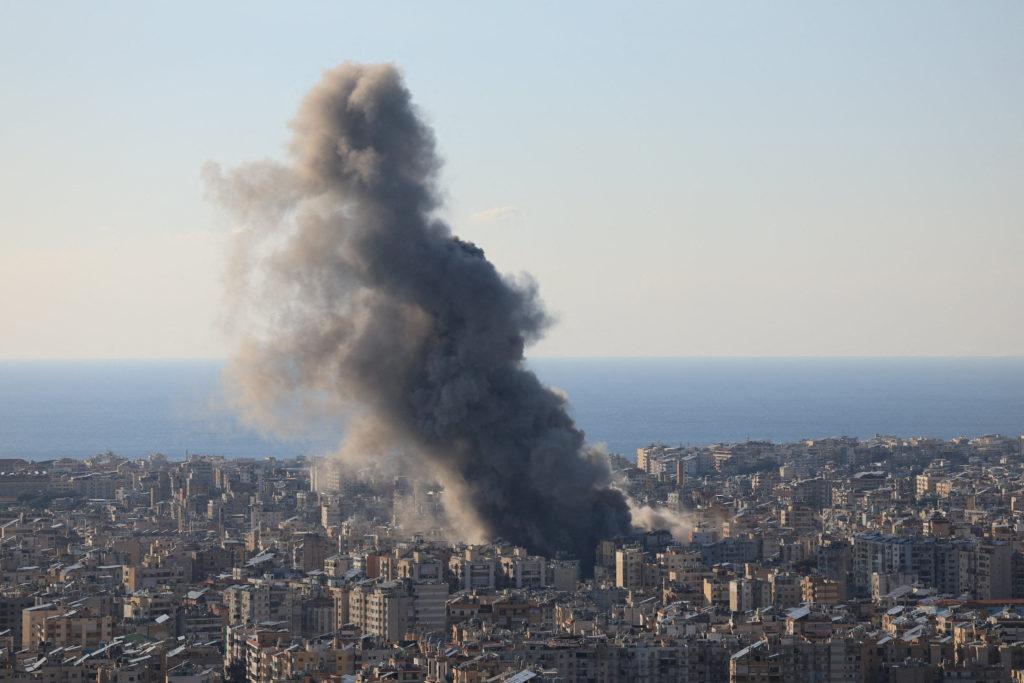
Israel and Middle East conflicts have shaped the region for decades, affecting not only Palestine but also Lebanon, Syria, Iraq, Iran, Egypt, Jordan, and other neighboring countries. Since 1948, wars, occupations, military strikes, and political confrontations involving Israel have contributed to repeated instability across the Middle East. While Israel describes many of its actions as necessary for security and survival, critics argue that these actions have intensified regional tensions, caused humanitarian crises, and violated international law and United Nations resolutions.
The Beginning of the Conflict and the Palestinian Nakba
The conflict began with the establishment of Israel in 1948, which led to the Arab–Israeli War between Israel and neighboring Arab states. During this war, approximately 700,000 Palestinians were displaced from their homes, creating one of the largest refugee crises in modern Middle Eastern history. Palestinians refer to this event as the Nakba, meaning “catastrophe.” Hundreds of Palestinian villages were destroyed or depopulated, and the issue of refugees remains unresolved today. This conflict became the foundation of long-term instability in the region.
The 1967 Six-Day War and Israeli Occupation
A major turning point came during the Six-Day War in 1967. Israel launched preemptive strikes against neighboring Arab countries and captured the West Bank, Gaza Strip, East Jerusalem, Sinai Peninsula from Egypt, and the Golan Heights from Syria. This war dramatically changed the political map of the Middle East. The United Nations later classified the West Bank, Gaza, East Jerusalem, and Golan Heights as occupied territories. Since then, Israeli settlements in the West Bank have expanded continuously despite international criticism and repeated UN resolutions declaring many of these settlements illegal under international law.
Israel and Egypt: Wars, Sinai, and the Peace Treaty
Israel’s conflict with Egypt involved several major wars. In 1956, during the Suez Crisis, Israel joined Britain and France in attacking Egypt after Egyptian President Gamal Abdel Nasser nationalized the Suez Canal. Israeli forces temporarily captured Sinai, but international pressure forced withdrawal. In 1967, Egypt suffered major losses during the Six-Day War when Israel captured Sinai and Gaza. Egypt later launched the 1973 Yom Kippur War alongside Syria in an attempt to regain lost territories. Although the war eventually ended through international mediation, it changed regional politics and later led to the 1979 Egypt–Israel Peace Treaty. Israel returned Sinai to Egypt, making Egypt the first Arab country to officially recognize Israel. Despite the peace treaty, tensions over Gaza and Palestinian issues continue to affect relations.
Israel and Jordan: Jerusalem and Political Tensions
Jordan also fought Israel during the 1948 and 1967 wars. Before 1967, Jordan controlled the West Bank and East Jerusalem, including important Islamic holy sites such as Al-Aqsa Mosque. After the Six-Day War, Jordan lost these territories to Israel. In 1994, Jordan signed a peace treaty with Israel, but tensions remain due to the Palestinian issue, Israeli policies in Jerusalem, and public anger in Jordan regarding events in Gaza and the West Bank. Jordan’s large Palestinian population makes the conflict highly sensitive within the country.
Israel and Lebanon: Invasions and Hezbollah Conflict
Lebanon experienced some of the most destructive Israeli military actions outside Palestine. In 1978, Israel invaded southern Lebanon to push Palestinian armed groups away from its border. The conflict escalated further during the Lebanon War, when Israeli forces advanced deep into Lebanon and reached Beirut. Large-scale bombing caused major civilian casualties and infrastructure destruction, and the Palestinian Liberation Organization was eventually forced out of Lebanon. Israel maintained a military presence in southern Lebanon until 2000. Later, conflict with Hezbollah led to another major war in 2006. That war lasted 34 days and caused extensive destruction in Lebanon while rockets were also fired into northern Israel. Even today, border tensions, drone strikes, and military exchanges continue between Israel and Hezbollah.
Israel and Syria: Golan Heights and Airstrikes
Syria has also remained in conflict with Israel for decades. During the 1967 war, Israel captured the Golan Heights from Syria and later annexed the territory, although this annexation has not been widely recognized internationally. Since the Syrian civil war began in 2011, Israel has conducted hundreds of airstrikes inside Syrian territory. These strikes have mainly targeted Iranian military positions, weapons depots, and Hezbollah-linked forces operating inside Syria. Syria has repeatedly accused Israel of violating its sovereignty. Over time, Syria became a central battleground in the indirect confrontation between Israel and Iran, further worsening instability in an already war-torn country.
Israel and Iraq: The Osirak Nuclear Reactor Strike
Israel’s conflict with Iraq became internationally controversial in 1981 during Operation Opera, when Israeli fighter jets destroyed Iraq’s Osirak nuclear reactor. Israel argued that the strike was necessary to prevent Iraq from developing nuclear weapons. However, the operation was condemned internationally, including by the UN Security Council, which viewed it as a violation of Iraqi sovereignty. Critics argued that no country should have the unilateral authority to destroy another country’s infrastructure based solely on perceived future threats. The strike also established Israel’s long-term doctrine of preemptive military action beyond its borders.
Israel and Iran: Shadow War and Regional Escalation
The conflict between Israel and Iran is now one of the most dangerous rivalries in the Middle East. Before Iran’s 1979 Islamic Revolution, the two countries had relatively normal relations. After the revolution, Iran adopted a strong anti-Israel position, and tensions increased rapidly. Over the decades, the conflict evolved into a shadow war involving cyberattacks, assassinations, intelligence operations, and proxy warfare. Israel has repeatedly targeted Iranian-linked forces in Syria, while Iran has supported groups such as Hezbollah and Hamas. In recent years, tensions escalated further through direct missile and drone exchanges, increasing fears of a larger regional war involving multiple countries.
Israel, the United Nations, and International Law
Israel’s actions have also repeatedly drawn criticism from the United Nations and international human rights organizations. Key UN resolutions include UN Security Council Resolution 242, which called for Israeli withdrawal from territories occupied in 1967, and UN Security Council Resolution 2334, which declared Israeli settlements in occupied Palestinian territories to have “no legal validity.” Despite these resolutions, settlement expansion and military occupation have continued. Organizations such as Amnesty International and Human Rights Watch have also accused Israel of violating international humanitarian law in various conflicts. Israel rejects many of these accusations and argues that its military actions are necessary for national security and defense against hostile groups and neighboring threats.
Humanitarian Impact Across the Middle East
The humanitarian consequences of these conflicts have been devastating across the Middle East. Millions of people have been displaced through wars involving Palestine, Lebanon, Syria, and Iraq. Cities and infrastructure have been destroyed repeatedly, economies weakened, and political instability deepened. The region remains heavily militarized, with repeated cycles of violence continuing to shape the lives of ordinary civilians.
Conclusion
From 1948 until today, Israel’s military actions, occupations, and regional conflicts have influenced nearly every major political crisis in the modern Middle East. Supporters view Israel’s actions as necessary for survival in a hostile environment, while critics argue that these policies have fueled instability, prolonged occupation, and repeated humanitarian disasters. Regardless of perspective, the impact of these conflicts on the Middle East has been immense and continues to shape regional politics, security, and human suffering even today.
Copyright 2023, All Rights Reserved
Leave Your Comments