

Protecting the Innocent: Islam’s Uncompromising Stand Against Child Abuse and Sexual Violence
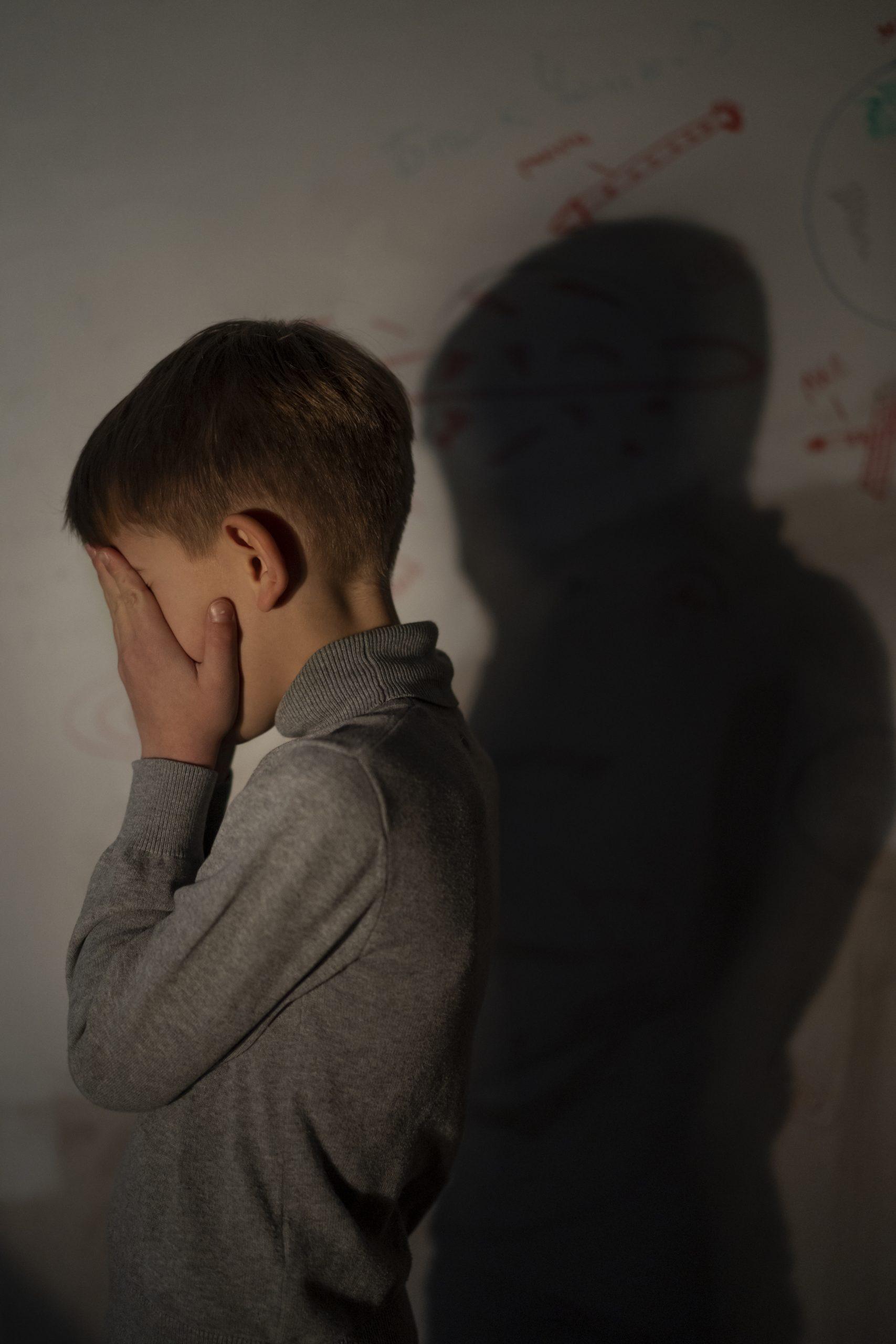
When Innocence Cries: A Wake-Up Call for Humanity
Every few days, the world is shaken by another heartbreaking headline. A child disappears. An innocent life is scarred forever. Families are left shattered, communities are outraged, and social media fills with grief, anger, and demands for justice. Yet after the public attention fades, another child becomes a victim od child abuse, and the cycle repeats.
Child abuse and sexual violence are not merely crimes against individuals—they are crimes against humanity. They rob children of their innocence, destroy their trust, and leave wounds that may last a lifetime. No society can call itself civilized if it fails to protect its most vulnerable members.
As Muslims, our response to such tragedies should not be driven only by emotion. It should be guided by the Qur’an, the Sunnah of the Prophet ﷺ, and an unwavering commitment to justice. Islam does not tolerate oppression in any form, especially when it targets those who are weak and unable to defend themselves.
A child is not merely a member of a family. Every child is an amanah (trust) from Allah. Whoever harms that trust will be answerable before Allah on the Day of Judgment.
This article explores Islam’s teachings on the protection of children, the severity of abuse and sexual violence, the responsibility of society, and the path toward justice, prevention, and healing.
Children: A Precious Trust from Allah
Islam elevated the status of children long before the modern world began speaking about children’s rights. The Qur’an repeatedly reminds believers that children are among Allah’s greatest blessings.
Allah says:
«”To Allah belongs the dominion of the heavens and the earth. He creates what He wills. He grants female children to whom He wills, and grants male children to whom He wills.”
(Surah Ash-Shura 42:49)»
Children are gifts—not possessions. Parents do not own them; they are caretakers entrusted by Allah with their upbringing, protection, education, and emotional well-being.
Allah also says:
«”Indeed, your wealth and your children are but a trial, and with Allah is a great reward.”
(Surah At-Taghabun 64:15)»
Being a trial does not mean children are a burden. Rather, Allah tests us through the way we fulfill our responsibilities toward them. Every parent, teacher, guardian, and leader will be questioned about how they treated the children under their care.
The Prophet ﷺ said:
«”Each of you is a shepherd, and each of you is responsible for his flock.”
(Sahih al-Bukhari 7138; Sahih Muslim 1829)»
This responsibility extends far beyond providing food and clothing. It includes protecting children from physical harm, emotional abuse, neglect, exploitation, and every form of sexual violence.
The Prophet ﷺ: The Greatest Example of Mercy Toward Children
The life of Prophet Muhammad ﷺ demonstrates unparalleled kindness toward children.
He would greet them with warmth, carry them on his shoulders, shorten his prayers when he heard a baby crying so that mothers would not be distressed, and openly express affection for them.
Once, the Prophet ﷺ kissed his grandson Hasan. A man remarked that he never kissed his own children. The Prophet ﷺ replied:
«”Whoever does not show mercy will not be shown mercy.”
(Sahih al-Bukhari 5997; Sahih Muslim 2318)»
In another narration, he said:
«”He is not one of us who does not show mercy to our young and respect to our elders.”
(Jami’ at-Tirmidhi 1921 – Hasan Sahih)»
These narrations teach that compassion toward children is not optional. Mercy is a defining characteristic of a true believer.
Imagine then the enormity of the sin committed by someone who terrifies, exploits, or sexually abuses a child. Such actions are the complete opposite of the Prophetic character.
Child Abuse: A Betrayal of Allah’s Trust
Child abuse is not limited to physical violence. Islam recognizes that harming a child can take many forms, including:
- Physical abuse
- Sexual abuse and exploitation
- Emotional and psychological abuse
- Neglect
- Grooming and manipulation
- Online exploitation and harassment
- Child trafficking
- Forced labor and exploitation
Every one of these violates the dignity Allah has bestowed upon every human being.
Allah says:
«”Indeed, We have certainly honored the children of Adam.”
(Surah Al-Isra 17:70)»
This honor belongs to every child regardless of gender, ethnicity, nationality, or social status.
When someone abuses a child, they are not merely breaking a law—they are violating a sacred trust granted by Allah Himself.
Islam’s Absolute Prohibition of Oppression
Islam leaves no room for ambiguity regarding oppression.
Allah says:
«”Indeed, Allah commands justice, excellence, and giving to relatives and forbids immorality, wrongdoing, and oppression.”
(Surah An-Nahl 16:90)»
The Prophet ﷺ narrated that Allah says in a Hadith Qudsi:
«”O My servants, I have forbidden ظلم (oppression) for Myself and have made it forbidden among you, so do not oppress one another.”
(Sahih Muslim 2577)»
There are few forms of oppression more devastating than harming a child who lacks the strength, understanding, or ability to defend themselves.
For this reason, Muslims should never minimize abuse, excuse perpetrators because of their social status, or silence victims out of fear of “family honor.” True honor lies in upholding justice, not concealing evil.
Sexual Violence: A Crime Against Faith and Humanity
Sexual violence is one of the gravest violations of human dignity. It inflicts not only physical harm but also deep emotional, psychological, and spiritual wounds.
Islam protects human dignity through strict moral teachings, modesty, justice, and severe condemnation of every form of sexual misconduct and coercion.
Allah says:
«”And do not approach unlawful sexual intercourse. Indeed, it is ever an immorality and an evil way.”
(Surah Al-Isra 17:32)»
This verse is remarkable because Allah does not merely prohibit the act itself; He commands believers not even to approach the pathways leading to it. This includes grooming, exploitation, manipulation, pornography, indecent behavior, abuse of authority, and every action that paves the way for sexual harm.
When the victim is a child, the crime becomes even more heinous because it combines sexual immorality with oppression, betrayal, exploitation, and abuse of trust.
Silence Protects Criminals—Not Children
One of the greatest challenges facing many societies is the culture of silence.
Islam rejects this mentality.
Allah commands:
«”O you who believe! Stand firmly for justice as witnesses for Allah, even if it is against yourselves or your parents or your close relatives.”
(Surah An-Nisa 4:135)»
Justice is not selective. It does not depend on family ties, political influence, religious position, or social standing.
A Muslim must stand with the oppressed—not with the oppressor.
Protecting a criminal to preserve a family’s reputation only increases the injustice and places more innocent children at risk.
The Prophet ﷺ warned against favoritism in justice, saying that even if his own daughter, Fatimah, were to steal, the law would be applied equally. (Sahih al-Bukhari 6788; Sahih Muslim 1688)
This powerful example reminds us that justice in Islam is impartial and no one is above accountability.
The Lasting Wounds of Child Abuse
When people hear the words child abuse or sexual violence, they often think only of the physical harm inflicted upon the victim. However, the deepest injuries are often invisible. A child who has been abused may carry emotional and psychological scars for years or even a lifetime.
Many survivors struggle with fear, anxiety, depression, feelings of guilt, nightmares, difficulty trusting others, and low self-esteem. Some experience challenges in education, relationships, and their spiritual lives. Tragically, many victims blame themselves because they were manipulated by the abuser into believing they were responsible.
Islam rejects this false belief completely. A child who has been abused is never responsible for the crime committed against them. The sin rests entirely upon the perpetrator.
Allah is Al-‘Adl (The Most Just) and Ar-Rahman (The Most Merciful). He knows every hidden tear, every silent cry, and every injustice that escapes human eyes.
Allah says:
«”Indeed, Allah is not unaware of what the wrongdoers do.”
(Surah Ibrahim 14:42)»
This verse gives hope to every victim. Even if justice is delayed in this world, no oppressor will escape Allah’s perfect justice.
Supporting Survivors: An Islamic Duty
One of the most harmful responses to abuse is blaming the victim. Sadly, some survivors are questioned more harshly than the criminal himself. Others are told to remain silent for the sake of family honor or social reputation.
This attitude has no basis in Islam.
The Prophet ﷺ always stood beside those who were oppressed. He comforted the weak, defended the vulnerable, and established justice without discrimination.
Muslims should therefore respond to survivors with:
- Compassion instead of suspicion.
- Listening instead of judging.
- Protection instead of silence.
- Support instead of isolation.
- Encouragement to seek medical, psychological, and legal help.
Healing from trauma is not a sign of weak faith. Seeking treatment, counseling, and emotional support is fully compatible with Islamic teachings. Just as we seek treatment for physical injuries, we should seek treatment for emotional and psychological wounds.
Breaking the Culture of Silence
Many cases of child abuse continue for months or years because victims are afraid to speak. Sometimes the abuser is a trusted relative, teacher, neighbor, or community member. Children often fear they will not be believed.
As a society, we must create environments where children know they can speak safely.
Parents should regularly remind their children:
- “You can always tell me if someone makes you uncomfortable.”
- “No one has the right to touch your body inappropriately.”
- “You will never be blamed for telling the truth.”
- “I will always protect you.”
Teaching children about personal safety in an age-appropriate and respectful manner is not against Islamic values. Rather, it is part of fulfilling the trust Allah has placed upon parents.
The Responsibility of Parents
Parents are the first line of protection.
The Prophet ﷺ said:
«”Each of you is a shepherd, and each of you is responsible for his flock.”
(Sahih al-Bukhari 7138; Sahih Muslim 1829)»
This responsibility includes more than providing food and education.
Parents should:
- Know who spends time with their children.
- Monitor internet and social media use.
- Teach children appropriate boundaries.
- Listen carefully when a child expresses fear or discomfort.
- Avoid forcing children to hug or sit with adults if they feel uncomfortable.
- Believe children when they report suspicious behavior and investigate with wisdom.
The Prophet ﷺ taught believers to protect themselves from harm and to act with wisdom. Preventive measures are not signs of distrust; they are acts of responsibility.
The Responsibility of Schools, Mosques, and Community Leaders
Every institution that serves children has a moral and Islamic duty to ensure their safety.
Schools should have clear child protection policies, background checks where possible, and safe procedures for reporting abuse.
Mosques and Islamic centers must also be places where children are protected, not merely educated. Religious knowledge loses its value if institutions fail to uphold justice and safeguard the vulnerable.
Imams, teachers, and scholars should educate communities about child protection from the pulpit, making it clear that abuse is a grave sin and a serious crime.
Justice Is an Act of Worship
Some people mistakenly believe that forgiving every wrong is always the most Islamic response. Islam certainly encourages forgiveness in many personal matters, but crimes against others—especially against children—also involve the rights of victims and the protection of society.
The Qur’an repeatedly commands justice.
Allah says:
«”Indeed, Allah commands justice…”
(Surah An-Nahl 16:90)»
Reporting abuse to the lawful authorities, cooperating with investigations, and ensuring fair legal proceedings are not acts of revenge—they are acts of justice.
At the same time, Islam teaches that accusations must be handled responsibly, with evidence and due process. We must neither conceal genuine abuse nor falsely accuse innocent people. Justice requires both courage and fairness.
Protecting Children in the Digital Age
Today’s dangers are not limited to the streets. Many predators now target children through smartphones, online games, messaging apps, and social media.
Parents should:
- Keep communication open with their children.
- Supervise online activity according to the child’s age.
- Teach children never to share personal information or photos with strangers.
- Explain that they should immediately report any inappropriate messages or requests.
- Set healthy boundaries for screen time and internet use.
Technology is a blessing when used responsibly, but it also requires wisdom and vigilance.
Our Collective Responsibility
Protecting children is not only the responsibility of parents. It is a responsibility shared by every member of society.
When communities ignore warning signs, dismiss complaints, or prioritize reputation over justice, they create opportunities for abuse to continue.
A truly Islamic society is one in which every child feels safe—in the home, at school, in the mosque, online, and in the wider community.
Every believer should ask themselves:
- Am I creating a safe environment for children?
- Do I speak up when I witness injustice?
- Do I support survivors with compassion?
- Am I teaching my own children about dignity, boundaries, and trust?
These questions are not merely social concerns; they are questions for which we will ultimately answer before Allah.
A Call to Conscience
Child abuse and sexual violence are among the darkest forms of oppression. They violate innocence, destroy trust, and leave lasting wounds. Islam stands firmly against every act of injustice and commands believers to protect the weak, establish justice, and show mercy.
Our response must go beyond anger after a tragic headline. We must build homes where children feel safe, schools that protect rather than ignore, mosques that speak boldly for justice, and communities that refuse to remain silent.
The Prophet Muhammad ﷺ came as “a mercy to the worlds” (Surah Al-Anbiya 21:107). If we truly follow his example, we must become protectors of the innocent, defenders of the oppressed, and voices for those who cannot speak for themselves.
May Allah protect every child from harm, grant healing to every survivor, expose every oppressor, guide our communities to uphold justice, and make us among those who fulfill the trust He has placed in us.
Ameen
Copyright 2023, All Rights Reserved
Leave Your Comments