

Muslim Influencer Culture: Is Fame Replacing Sincerity in Islam?
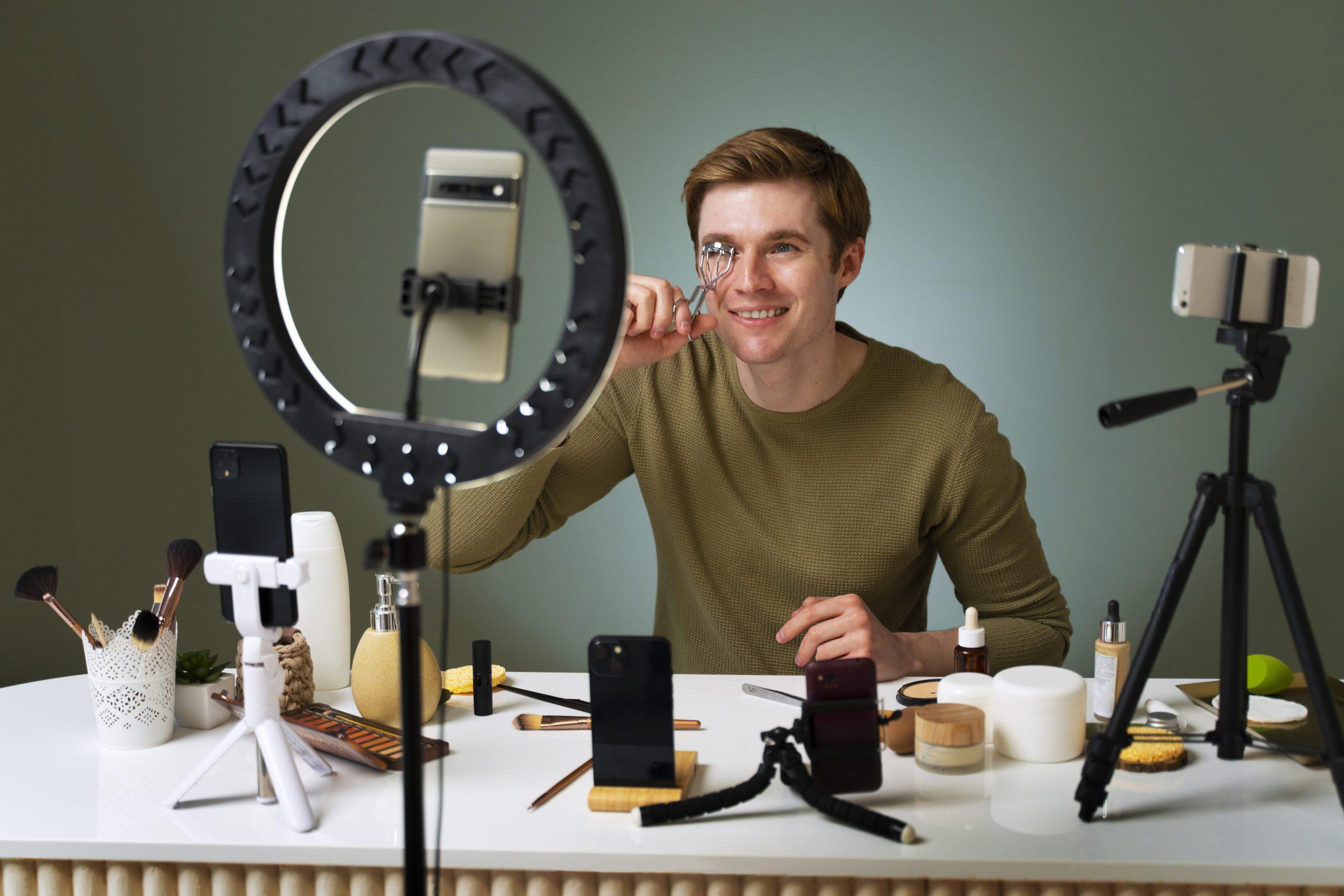
From Hidden Worship to Public Platforms
In previous generations, good deeds were hidden.
A person would pray tahajjud quietly.
Give charity secretly.
Fast voluntarily without announcing it.
Today, we live in the age of:
- Instagram reels
- TikTok reminders
- YouTube dawah channels
- Monetized Islamic content
- Public acts of worship online
A new question has emerged among Muslim youth:
Are we spreading Islam — or branding ourselves?
Is influence replacing sincerity?
Understanding Riyā: The Disease of Showing Off
In Islam, riyā means performing acts of worship to be seen by people rather than for Allah.
Allah warns in the Qur’an:
“So woe to those who pray, but are heedless of their prayer — those who make a show [of their deeds].”
(Surah Al-Ma’un 107:4–6)
This verse is terrifying.
It speaks about people who pray — yet their intention corrupts the act.
The Prophet ﷺ called riyā:
“The thing I fear most for you is minor shirk.”
The companions asked, “What is minor shirk?”
He replied, “Showing off (riyā).”
(Ahmad 23630 – Hasan)
Riyā is not disbelief.
But it is spiritual poison.
And social media amplifies it.
The Age of Visible Worship
Today we see:
- Crying during salah on camera
- Charity recorded for content
- Quran recitation with aesthetic lighting
- Umrah selfies
- Tahajjud routines shared daily
The problem is not visibility itself.
The problem is intention.
In the past, you could hide your deeds easily.
Today, the temptation to post is constant.
And the nafs (ego) loves validation.
When Likes Replace Ikhlās
Ikhlās means sincerity — doing something purely for Allah.
But social media runs on:
- Likes
- Comments
- Shares
- Followers
- Verification badges
When Islamic reminders receive engagement, dopamine increases.
Gradually, a subtle shift can happen:
From “Is Allah pleased?”
To “Did this perform well?”
This is where danger begins.
Is Public Dawah Always Riyā?
No.
Islam does not prohibit public good.
The Prophet ﷺ gave sermons publicly.
Companions taught openly.
Spreading knowledge is rewarded.
The Prophet ﷺ said:
“Whoever guides to goodness will have a reward like the one who does it.”
(Muslim 1893)
Public influence is not haram.
But sincerity must lead — not fame.
Monetizing the Deen: Halal or Problematic?
Another controversial issue today is monetizing Islamic content.
YouTube ads.
Paid courses.
Brand collaborations.
Islamic merchandise.
Is earning through dawah wrong?
Historically, scholars were financially supported so they could teach.
However, the concern arises when:
- Content becomes sensational for views
- Religious rulings are softened for popularity
- Controversy is used for engagement
- Deen becomes performance
When income depends on audience approval, the risk of compromising truth increases.
Allah says:
“And do not sell My verses for a small price.”
(Surah Al-Baqarah 2:41)
This verse reminds us that revelation must never be manipulated for worldly gain.
The Hidden Shift: Branding the Self
Influencer culture encourages:
- Personal branding
- Aesthetic identity
- Public image management
But Islam trains the believer to erase ego — not polish it.
The Prophet ﷺ lived with humility.
Umar ibn Al-Khattab would walk at night to help the needy without announcing it.
Abu Bakr secretly supported widows even after becoming leader.
Their legacy was built on hidden deeds.
Today, hidden deeds are decreasing.
Visible deeds are increasing.
The imbalance is dangerous.
Public Worship vs Private Worship
Scholars mention a powerful principle:
The more hidden the deed, the safer it is from riyā.
The Prophet ﷺ said:
“The best prayer after the obligatory prayers is the night prayer.”
(Muslim 1163)
Why night prayer?
Because it is hidden.
No applause.
No audience.
No validation.
Just you and Allah.
If a Muslim influencer shares 10 public reminders but has zero private worship, imbalance exists.
Visibility must never replace intimacy with Allah.
The Psychological Trap of Fame
Fame creates subtle spiritual diseases:
- Obsession with image
- Fear of losing followers
- Comparison with other Islamic creators
- Anxiety over engagement
- Pride disguised as confidence
The Prophet ﷺ warned:
“No one who has an atom’s weight of arrogance in his heart will enter Paradise.”
(Muslim 91)
Influence can inflate ego silently.
And ego destroys sincerity.
Cancel Culture & Fear-Based Dawah
Another modern issue is:
Scholars and influencers fearing backlash.
When online mobs control narrative, some may:
- Avoid controversial truths
- Soften Islamic rulings
- Stay silent on important issues
Dawah must remain principled — not trend-driven.
Truth does not change based on followers.
Signs That Fame Is Replacing Sincerity
A Muslim content creator should self-reflect if:
- Deletion of a post hurts more than missing tahajjud
- Criticism affects mood for days
- Posting feels addictive
- Private ibadah feels heavy
- Metrics define self-worth
These are spiritual warning signs.
Riyā does not always scream.
Sometimes it whispers.
How Can Influencers Protect Their Sincerity?
Practical steps:
- Increase hidden good deeds
- Regularly renew intention before posting
- Avoid checking analytics obsessively
- Seek knowledge from scholars
- Accept correction with humility
- Limit self-promotion
- Make sincere dua for ikhlās
The Prophet ﷺ used to make this dua:
“O Allah, I seek refuge in You from associating partners with You knowingly, and I seek Your forgiveness for what I do unknowingly.”
(Ahmad – Sahih)
Even he sought protection from hidden shirk.
What about us?
Is the Problem Social Media — or the Heart?
Platforms are tools.
The heart determines direction.
Social media can:
- Spread Qur’an globally
- Educate millions
- Inspire youth
Or it can:
- Feed ego
- Create celebrity scholars
- Turn worship into content
Technology is neutral.
Intentions are not.
For the Youth Watching Influencers
Young Muslims must also be cautious:
Do not:
- Idolize personalities
- Confuse charisma with scholarship
- Follow blindly
- Seek religion through aesthetics alone
Islam is not an aesthetic brand.
It is submission to Allah.
Verify knowledge.
Seek authentic sources.
Respect scholars.
Balance Between Influence and Ikhlās
The goal is not abandoning public dawah.
The goal is balancing it with private devotion.
Influence without sincerity is hollow.
Sincerity without visibility may be unknown to people — but it is known to Allah.
And that is enough.
Conclusion: Return to the Heart
Muslim influencer culture is not inherently wrong.
But it is spiritually risky.
The real danger is not cameras.
It is the nafs.
Before posting, ask:
If no one saw this, would I still do it?
If the answer is yes — sincerity remains.
If the answer is no — the heart needs repair.
Because in the end:
Followers will not stand beside us on the Day of Judgment.
Only our intentions will.
Copyright 2023, All Rights Reserved
Leave Your Comments