

ISLAM AND THE PALESTINE ISSUE: AN ISLAMIC PERSPECTIVE ON OPPRESSION, JUSTICE, AND HUMANITY
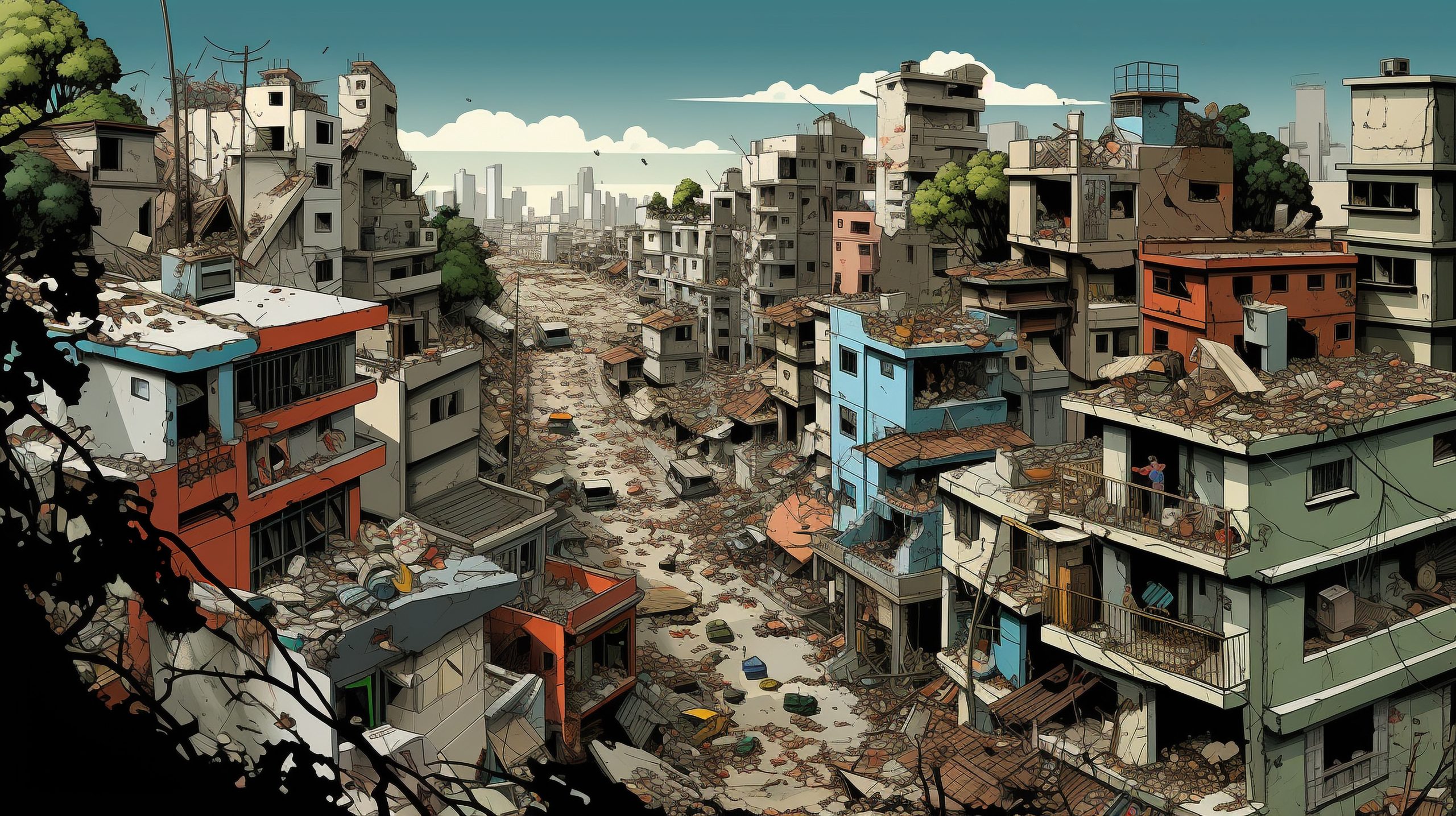
The Palestine issue is one of the most painful and widely discussed humanitarian crises in the world today. Beyond politics, borders, and media narratives, Islam views this issue through the lens of justice, human dignity, sanctity of life, and opposition to oppression. Islam does not support injustice in any form, regardless of who commits it or who suffers from it. The Qur’an and Sunnah provide clear principles that guide Muslims on how to understand oppression, resistance, patience, and moral responsibility.
Oppression (Zulm) is Strictly Forbidden in Islam
Oppression is among the gravest sins in Islam. Allah declares oppression unlawful for Himself and His servants.
Allah says:
“Do not incline toward those who do wrong, lest the Fire touch you.”
(Surah Hud, 11:113)
Allah also says:
“Indeed, Allah does not like the wrongdoers.”
(Surah Aal-Imran, 3:57)
Occupation, forced displacement, denial of basic human rights, and collective punishment all fall under Zulm according to Islamic teachings. History shows that Allah does not allow oppression to continue indefinitely.
Allah says:
“And We destroyed those towns when they wronged, and We made for their destruction an appointed time.”
(Surah Al-Kahf, 18:59)
Sanctity of Human Life in Islam
Islam places immense value on human life. Killing innocent people is considered one of the greatest crimes, regardless of religion or nationality.
Allah says:
“Whoever kills a soul unless for a soul or for corruption in the land, it is as if he had slain all mankind. And whoever saves one, it is as if he had saved all mankind.”
(Surah Al-Ma’idah, 5:32)
This verse clearly establishes that innocent lives are sacred and must be protected at all costs.
Protection of Civilians, Women, and Children During Conflict
Islamic warfare ethics are strict and moral. The Prophet Muhammad ﷺ forbade harming civilians even during war.
He said:
“Do not kill women, children, the elderly, or monks in their monasteries.”
(Sunan Abu Dawood, Book: Jihad, Hadith No. 2614)
He also instructed Muslim armies:
“Do not destroy homes, crops, or trees.”
(Musnad Ahmad, Book: Jihad, Hadith No. 2728)
These principles directly oppose modern practices of bombing civilian areas, destroying infrastructure, and collective punishment.
Standing Firm for Justice is an Islamic Duty
Islam commands believers to stand for justice even when it is difficult or unpopular.
Allah says:
“O you who believe! Stand firmly for justice as witnesses for Allah, even if it be against yourselves, parents, or relatives.”
(Surah An-Nisa, 4:135)
Supporting oppressed people through lawful means, awareness, charity, humanitarian aid, and sincere dua is part of Islamic responsibility.
Hope and Promise for the Oppressed
Islam never leaves the oppressed without hope.
Allah says:
“And We wanted to favor those who were oppressed in the land and make them leaders and inheritors.”
(Surah Al-Qasas, 28:5)
This verse reassures believers that oppression will not last forever and that Allah’s justice will prevail.
Conclusion
The Palestine issue is not merely political; it is a test of humanity. Islam clearly stands against injustice, oppression, and the killing of innocent people. Muslims are commanded to uphold justice, protect life, and support the oppressed through ethical and lawful means. Allah is Just, and no oppression escapes His accountability.
Copyright 2023, All Rights Reserved
Leave Your Comments