

Hijab in Islam: Modesty, Identity, and Empowerment Beyond Misconceptions
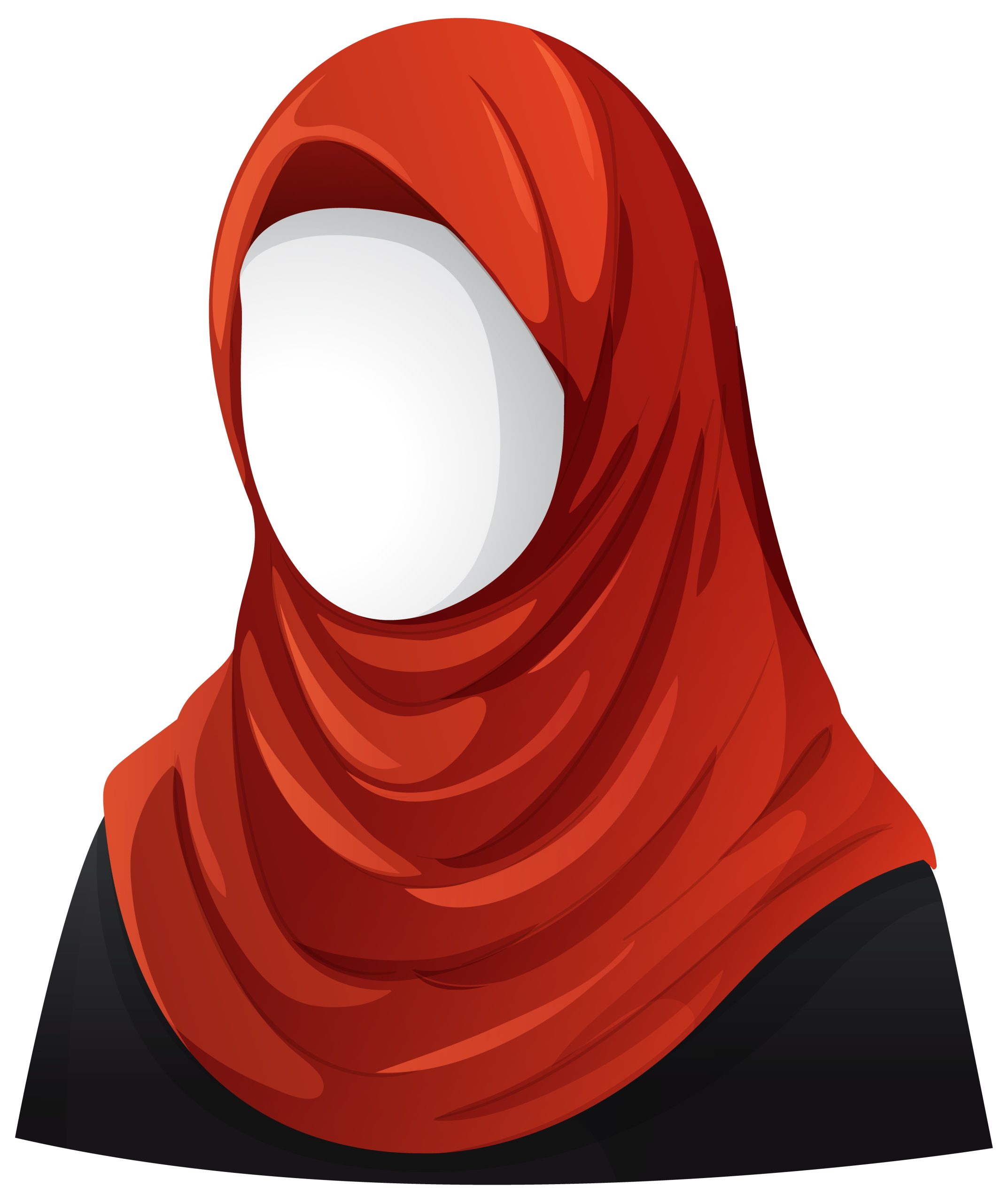
Hijab is one of the most discussed and misunderstood aspects of Islam in the modern world. It is often portrayed as a symbol of oppression, lack of freedom, or cultural backwardness. Islam, however, presents Hijab as an act of worship, dignity, protection, and conscious identity. The concept of Hijab goes far beyond clothing—it reflects a moral framework that governs behavior, intention, and interaction within society.
Islam addresses both men and women regarding modesty, responsibility, and self-respect, making Hijab part of a broader ethical system rather than a gender-specific restriction.
The Meaning of Hijab in Islam
The word Hijab literally means a barrier, screen, or cover. In Islamic teachings, Hijab refers to modesty in dress, behavior, speech, and intention. Clothing is only one outward manifestation of an inner value system rooted in faith and consciousness of Allah.
Allah says:
“And tell the believing men to lower their gaze and guard their private parts. That is purer for them.”
Surah An-Nur, 24:30
This verse establishes that modesty begins with men, emphasizing moral responsibility before physical covering.
Hijab as a Divine Command, Not a Cultural Practice
Hijab is not a cultural tradition or social custom; it is a command from Allah revealed in the Qur’an. Its purpose is spiritual, ethical, and social.
Allah says:
“And tell the believing women to lower their gaze and guard their private parts and not display their adornment except that which ordinarily appears thereof, and to draw their veils over their bosoms.”
Surah An-Nur, 24:31
Another verse further clarifies public modesty:
“O Prophet, tell your wives, your daughters, and the believing women to draw over themselves their outer garments. That is better so they may be recognized and not harmed.”
Surah Al-Ahzab, 33:59
These verses show that Hijab is meant to protect dignity, identity, and social respect—not to restrict freedom.
Hijab and Human Dignity
Islam views human beings as honored creations of Allah. Hijab aligns with this honor by shifting focus from physical appearance to character, intellect, and morality.
Allah says:
“And We have certainly honored the children of Adam.”
Surah Al-Isra, 17:70
By encouraging modesty, Islam challenges the objectification of women and resists a culture that reduces human worth to physical beauty.
Hijab Is Not Oppression but Conscious Choice
One of the strongest misconceptions is that Hijab is forced upon women. Islam does not accept compulsion in matters of faith.
Allah says:
“There is no compulsion in religion.”
Surah Al-Baqarah, 2:256
While Hijab is an obligation, sincere obedience comes from faith, understanding, and conviction—not coercion. Millions of Muslim women around the world choose Hijab as an expression of belief, confidence, and self-respect.
Hijab and Feminism
Modern feminism often frames Hijab as anti-freedom, yet Islam granted women rights to education, inheritance, marriage choice, and property ownership over 1400 years ago.
The Hijab allows women to define themselves beyond societal beauty standards. It protects women from constant physical judgment and promotes respect based on intellect and values rather than appearance.
True empowerment is the freedom to choose modesty without being shamed for it.
Hijab Applies to Men Too
Islamic modesty is not limited to women. Men are commanded to dress modestly, lower their gaze, and maintain respectful behavior.
The Prophet Muhammad ﷺ said:
“Modesty is part of faith.”
Sahih al-Bukhari, Book of Faith, Hadith 9
Sahih Muslim, Book of Faith, Hadith 35
This Hadith applies equally to men and women, reinforcing that Hijab is a moral system, not just a dress code.
Social Benefits of Hijab
Hijab contributes to a healthier society by:
• Reducing objectification
• Encouraging respectful interaction
• Strengthening family values
• Promoting moral responsibility
Islam seeks to build communities based on dignity, not desire.
Hijab in the Face of Islamophobia
In many parts of the world, Muslim women face discrimination for wearing Hijab. Islam encourages patience, dignity, and steadfastness in the face of injustice.
Allah says:
“Indeed, Allah is with those who are patient.”
Surah Al-Baqarah, 2:153
Hijab becomes a symbol of resilience, faith, and peaceful resistance against prejudice.
Reward and Spiritual Value of Hijab
Hijab is an act of worship when observed sincerely for Allah’s sake. Every sacrifice made for Allah brings immense reward.
The Prophet ﷺ said:
“Whoever leaves something for the sake of Allah, Allah will replace it with something better.”
Musnad Ahmad, Hadith 23074
This includes the choice to prioritize faith over societal pressure.
Common Misconceptions Clarified
Hijab does not mean lack of education or ambition.
Hijab does not prevent women from working or contributing to society.
Hijab does not erase individuality.
Hijab does not imply inferiority.
These misconceptions stem from cultural misuse, not Islamic teachings.
Conclusion: Hijab as Identity, Faith, and Honor
Hijab in Islam is a comprehensive system of modesty, dignity, and spiritual consciousness. It empowers women to live by their values, protects society from moral decay, and reinforces identity in a world obsessed with appearance.
Allah says:
“And whoever honors the symbols of Allah—indeed, it is from the piety of hearts.”
Surah Al-Hajj, 22:32
Hijab is not a symbol of oppression—it is a declaration of faith, honor, and self-respect.
Copyright 2023, All Rights Reserved
Leave Your Comments