

Digital Fitnah: How Social Media Is Reshaping Imaan in the Muslim Ummah
A Fitnah That Lives in Our Hands
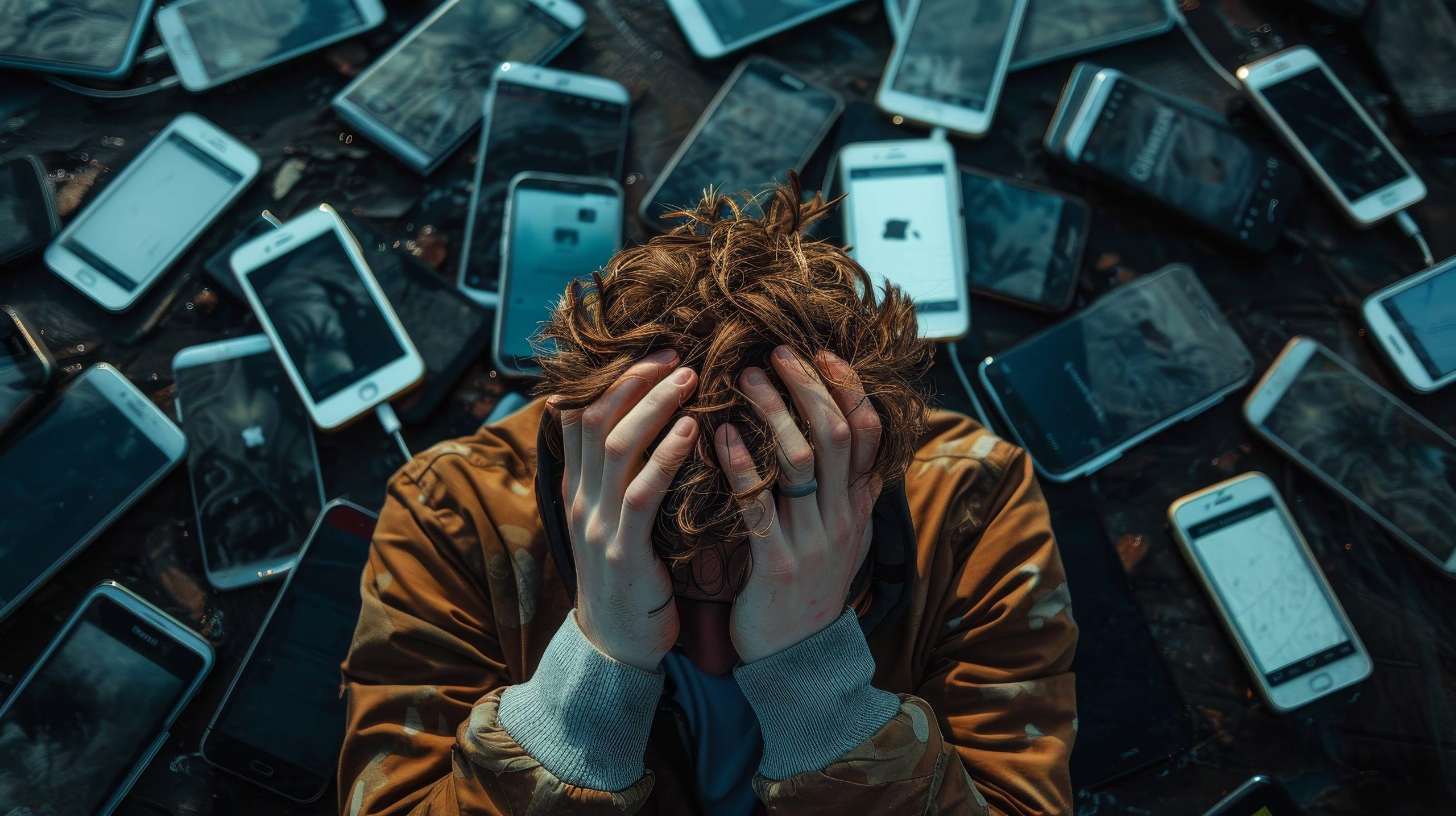
Every generation is tested in a different way, but the test of our time is subtle, constant, and deeply personal. Social media is not just an app we use occasionally; it has become part of our daily routine, shaping our thoughts, emotions, and even our identity. What makes it dangerous is that it does not feel like a test. It feels normal. Yet, this constant exposure is quietly affecting our relationship with Allah and our understanding of life.
Allah warns us that our hearing, sight, and hearts will all be questioned.
“And do not pursue that of which you have no knowledge. Indeed, the hearing, the sight and the heart — about all those [one] will be questioned.” (Surah Al-Isra 17:36)
In a world of endless scrolling, we must ask ourselves: what are we filling our hearts with?
The Heart That Never Disconnects
A believer’s strength lies in a heart that remembers Allah, reflects, and finds peace in solitude. But today, silence has been replaced with constant noise. The moment we are free, we reach for our phones. This habit slowly removes moments of reflection and replaces them with distraction.
Allah reminds us where true peace comes from.
“Verily, in the remembrance of Allah do hearts find rest.” (Surah Ar-Ra’d 13:28)
When the heart is always engaged in dunya, it struggles to connect with the remembrance of Allah, leading to emptiness despite constant stimulation.
The Trial of the Eyes in the Digital Age
Lowering the gaze has become one of the greatest challenges of our time. Social media platforms are designed to attract attention and keep users engaged, often through content that goes against Islamic modesty.
Allah commands clearly:
“Tell the believing men to lower their gaze and guard their chastity… and tell the believing women to lower their gaze…” (Surah An-Nur 24:30–31)
Even unintentional exposure affects the heart. Repeated viewing normalizes what was once considered inappropriate, gradually weakening a person’s sense of haya (modesty).
The Prophet ﷺ also warned:
“The eyes commit zina, and their zina is looking…” (Bukhari, Muslim)
This shows that even what we see has spiritual consequences.
Comparison: The Disease of the Modern Heart
Social media creates a false reality where everyone appears happy, successful, and perfect. This leads to constant comparison, making a person feel dissatisfied with their own life.
The Prophet ﷺ gave a powerful solution:
“Look at those below you and not those above you, for it is more likely to prevent you from belittling Allah’s favors upon you.” (Muslim 2963)
But social media does the opposite. It constantly shows us those who seem better, richer, and happier, creating ingratitude and sadness within the heart.
Influencer Culture and the Crisis of Intentions (Riyā)
One of the most dangerous effects of social media is how it can corrupt intentions. Good deeds that were once private are now often shared publicly. Acts of worship, charity, and reminders may sometimes be influenced by the desire for likes, views, or recognition.
Allah warns about those who show off:
“So woe to those who pray, but are heedless of their prayer — those who make a show [of their deeds].” (Surah Al-Ma’un 107:4–6)
The Prophet ﷺ also said:
“The thing I fear most for you is minor shirk.” The companions asked, “What is that?” He said, “Riyā (showing off).” (Ahmad)
This is extremely relevant today, where validation often comes from people rather than from Allah.
Time: A Blessing Being Silently Wasted
Hours pass without realization while scrolling through content that brings no real benefit. Time is one of the greatest blessings given by Allah, yet it is often wasted the most.
The Prophet ﷺ said:
“There are two blessings which many people waste: health and free time.” (Bukhari 6412)
On the Day of Judgment, we will be questioned about our time. Social media has made it easy to lose hours daily without gaining anything for our akhirah.
Spreading Good or Spreading Sin
Every post we share has an impact. Sometimes, without realizing it, people spread gossip, inappropriate content, or misinformation.
The Prophet ﷺ warned:
“Whoever calls to misguidance will bear a burden of sin equal to those who follow it.” (Muslim 2674)
This means even a single careless share can carry long-term consequences.
Can Social Media Be Used Positively?
Yes, social media is a tool. It can be used for learning, spreading beneficial knowledge, and reminding others of Islam. The key is conscious usage and strong intentions.
The Prophet ﷺ said:
“Actions are judged by intentions…” (Bukhari, Muslim)
If used correctly, even social media can become a source of reward.
Protecting Your Imaan in the Digital World
A believer must set boundaries by limiting screen time, avoiding harmful content, and prioritizing acts of worship. Replacing scrolling with dhikr, Qur’an, and meaningful activities strengthens the heart.
Even small changes, done consistently, can protect one’s imaan from gradual decline.
Conclusion: A Test That Requires Awareness
Social media is one of the greatest tests of this generation. It does not force sin; it invites it gradually. The real danger is not always visible. Sometimes, the greatest loss is a heart that slowly becomes distant from Allah without even realizing it.
Copyright 2023, All Rights Reserved
Leave Your Comments